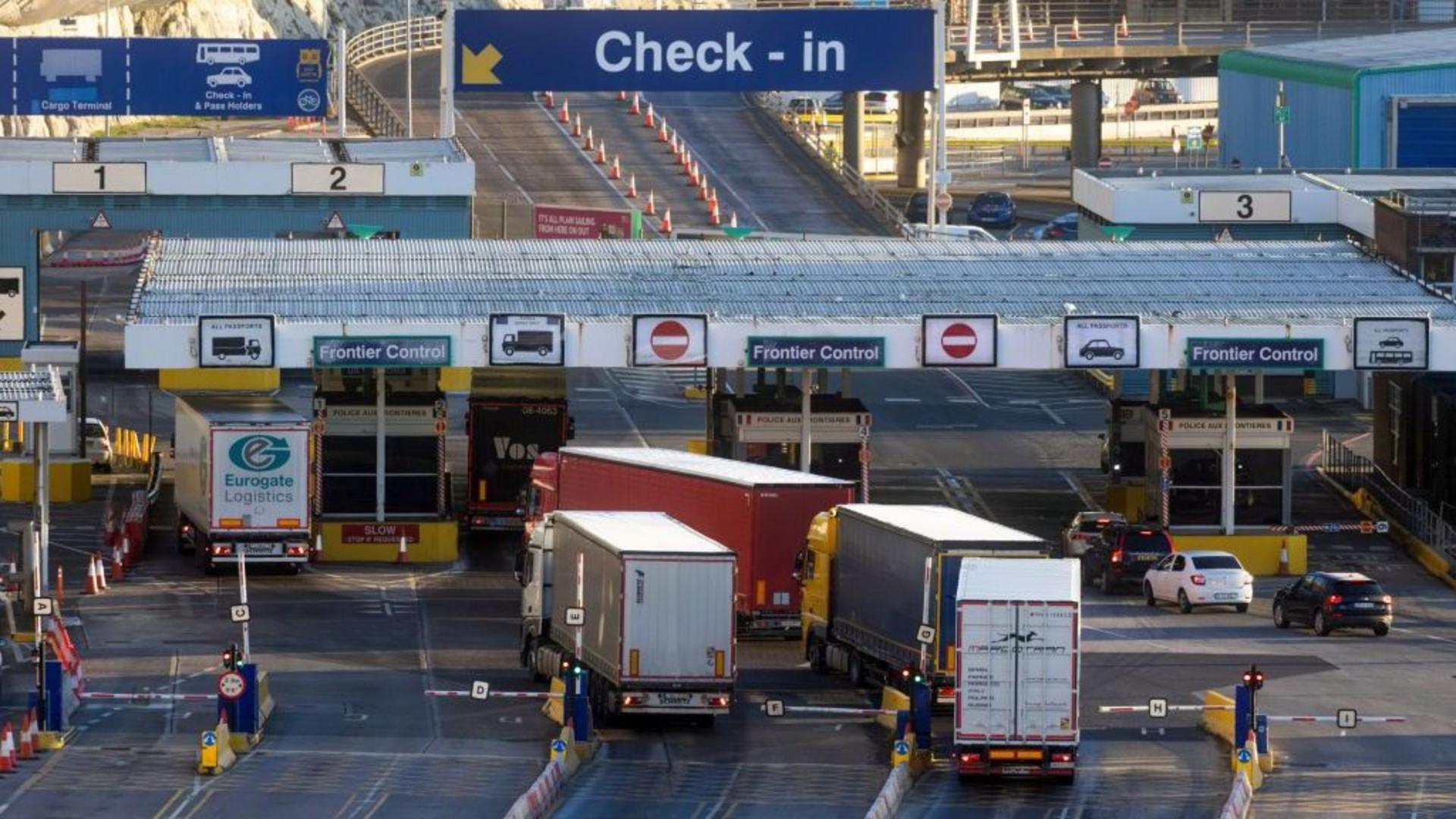
The draft agreement on sanitary and phytosanitary rules is the most concrete part of the so-called Brexit reset so far. According to the BBC, a 200-page text has been circulated to EU nations ahead of a meeting on Wednesday, and the government says it would eventually deliver £5.1bn in annual benefits to the UK economy. For exporters who have spent nearly six years filling in forms, that is a welcome prospect. Removing the £200 Export Health Certificates, the £25 Phytosanitary certificates, inspector fees and port charges would cut real costs that the report says hit firms after the UK left the single market.
The price of that relief is dynamic alignment. Under the deal the UK commits to observing and adapting to existing EU rules on plant, animal and food standards. That is an acknowledgement that the Johnson-era trade deal, which prioritised regulatory freedom over avoiding red tape, produced the friction businesses now complain about. Ministers should be open about the trade-off. Every future EU rule change will bind UK producers, and Parliament's role in shaping those rules will shrink.
The report also raises the question of precision breeding, where England has diverged from the EU and transition arrangements are now being agreed. Whether the UK can keep its own choices in areas like this, while still aligning on food trade, needs a clear answer before the agreement is signed rather than after.
The British Chamber of Commerce has added useful pressure. Its analysis found that 56% of exporting businesses want EU customs paperwork and delays removed, rising to 58% among manufacturers, and it lists nine options for a closer relationship, from a customs union to a Swiss-style single market arrangement. The organisation argues the government should analyse and publish these options rather than settle on one in private. I agree. Business has asked for a serious examination of the trade-offs, not a slogan.
The summit later this month should therefore be used to do two things at once. It should lock in the food deal and its checks savings, and it should commit the government to publishing an honest assessment of the wider relationship options, including the prime minister's stated interest in going further. Partial fixes have value, but firms making long-term investment decisions need to know where the arrangement is heading.