Oil prices rose Friday as investors weighed the risk of renewed military escalation between the U.S. and Iran after the midterm elections, while also keeping an eye on diplomacy. Brent crude futures climbed 1.67% to $99.90 per barrel, and U.S. West Texas Intermediate crude futures gained 1.43% to $91.69 per barrel. Those moves are a reasonable market reaction to a genuinely dangerous situation, but they also reveal how much of the current price is built on speculation about what Washington and Tehran might do next.
The most striking claim in the report comes from Bob McNally, founder and president of Rapidan Energy Group, who told CNBC's "Squawk Box Asia" that he sees an 80% probability of military fighting resuming. He forecast that both benchmarks could climb above $100 a barrel. That is a forecast from one analyst, not a settled fact, and the report gives no method behind the 80% figure. Readers should treat it as a strong opinion from a single source rather than a measured probability.
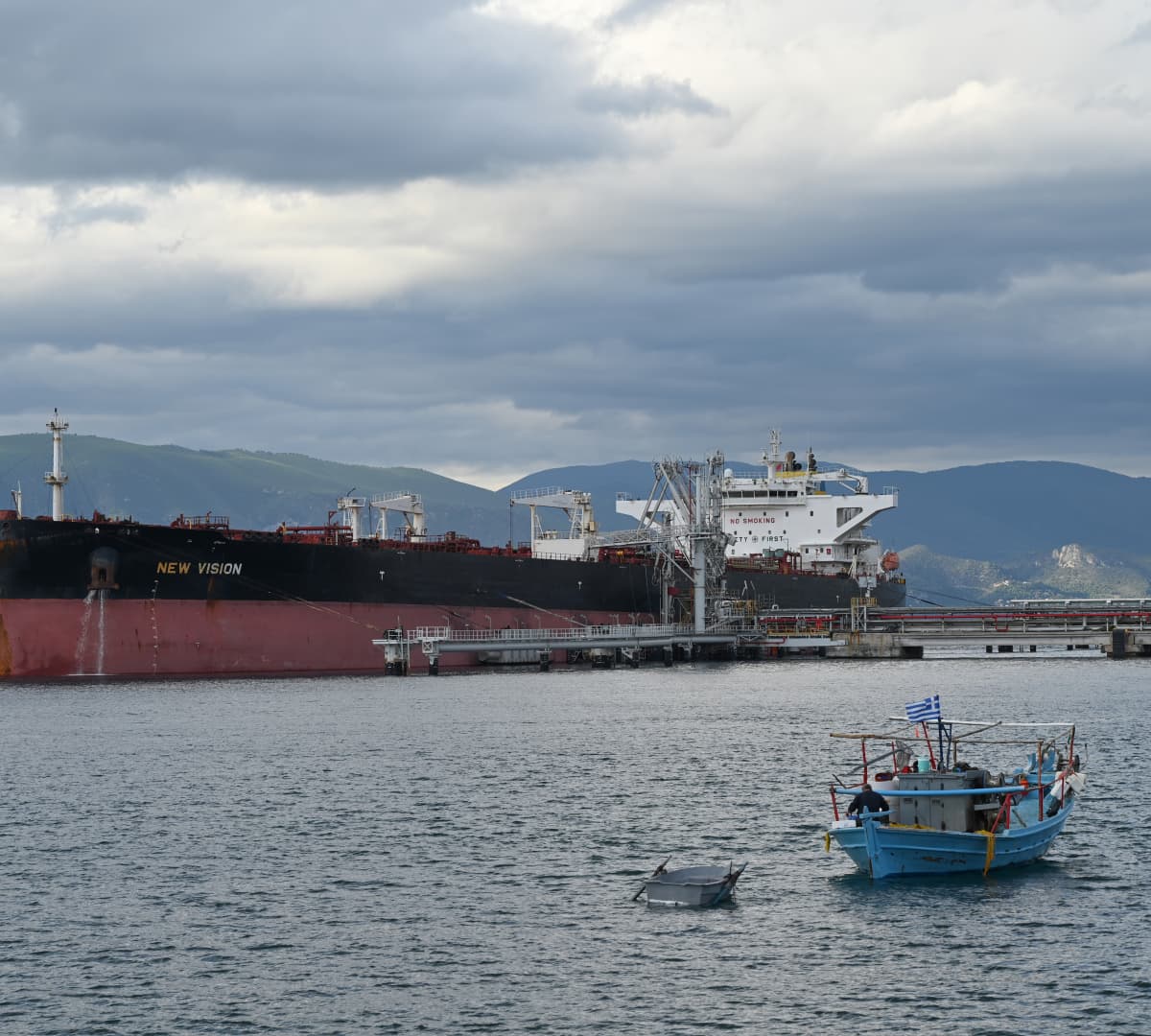
The report also points to a countervailing signal. Reuters, citing a senior Iranian official, reported that Iran sent a nuclear proposal to Washington through Qatar. Meanwhile, Iran reported three additional attacks on oil tankers in the Strait of Hormuz on Thursday, and UK Maritime Trade Operations data indicated that attacks on vessels were continuing at a near-record rate. Diplomacy and violence are both happening at once, and neither has yet produced a clear outcome.
McNally's diagnosis is useful because it names the real obstacle. He said President Donald Trump is determined to prevent Iran from getting a nuclear weapon, while the Iranian regime is not willing to give up its nuclear capabilities. "As long as that core difference in that deal space is absent, the escalation dynamic remains in place," he said. If that gap is as wide as he describes, then a rally in oil is not a sign of calm markets reading the situation well. It is a sign that the disagreement at the center of the dispute remains unresolved.
My view is that investors and policymakers should stop treating oil as a simple gauge of geopolitical risk and start asking harder questions. The Strait of Hormuz is a chokepoint, and tanker attacks there are a direct threat to supply. Any administration weighing action should be required to explain, publicly and specifically, how a renewed conflict would protect shipping rather than widen it. Any diplomatic channel, including the proposal sent through Qatar, deserves serious attention before markets and headlines assume the worst. Oil above $100 is not inevitable, and the report does not show that it is.