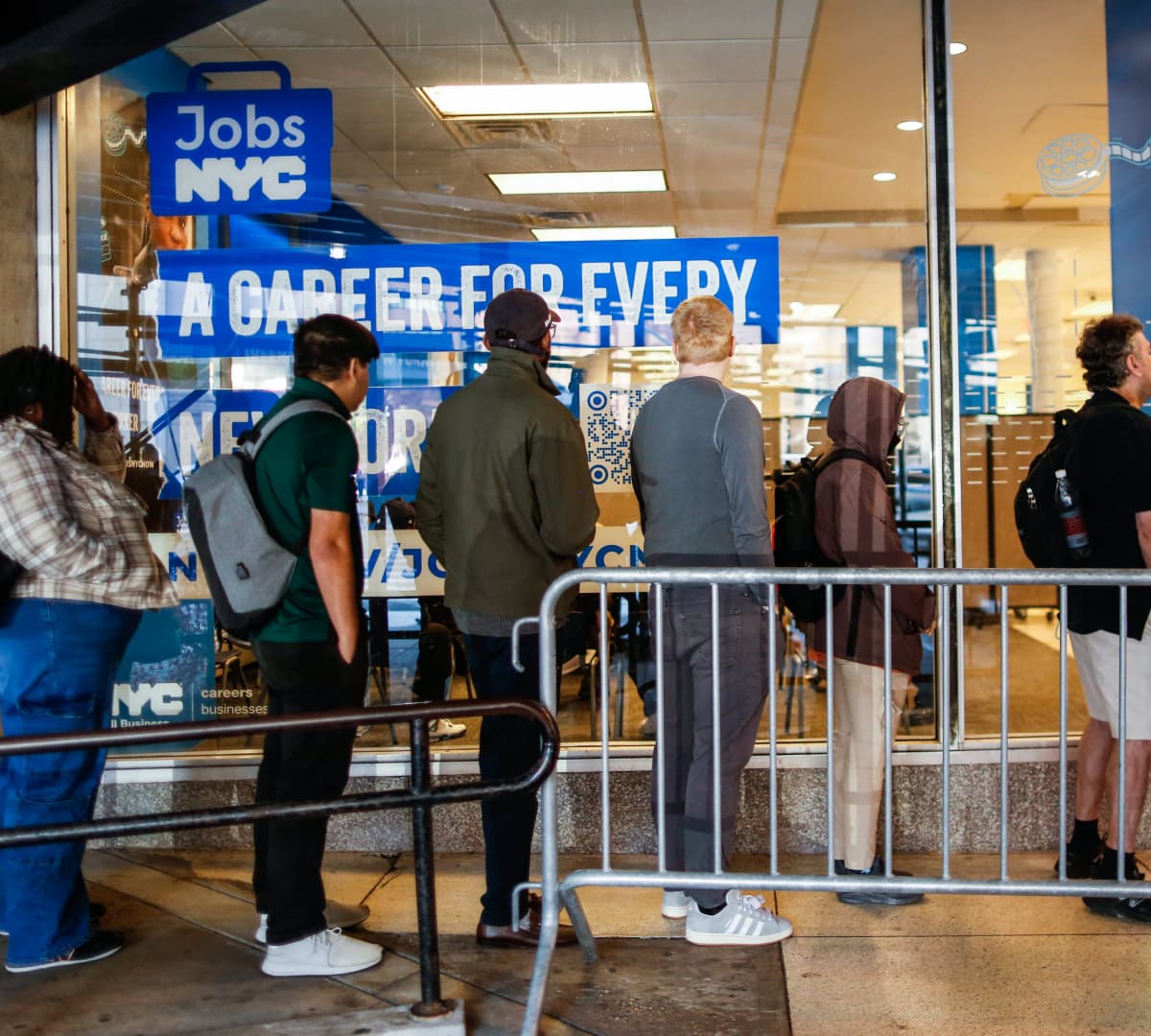
The average jobless American's unemployment spell surpassed 27 weeks in October on a seasonally adjusted basis, according to the Bureau of Labor Statistics jobs report released Friday, as reported by CNBC. The report says that is the longest outside the pandemic period since 2016.
About 2 million Americans have been without work for at least 27 weeks, according to the BLS. These long-term unemployed workers made up 27.6% of all jobless workers in October, the highest share since late 2021.
Cory Stahle, senior economist at the hiring platform Indeed, said the series "can be noisy from month to month." He added that "if you look over a longer time horizon, there is no mistake in the trend."
The report says that workers who are unemployed for extended periods face depleted savings, lower earnings potential and declining mental health, citing research. Researchers at the Federal Reserve Bank of Richmond wrote earlier this year that long unemployment may reduce the chance of finding a job, because skills depreciate, networks thin or employers read long gaps as a negative signal.
Workers generally lose most government unemployment benefits after 26 weeks. Stahle said that "the average unemployed person takes longer to find a job than their benefits would last." The report suggests a rising share of long-term unemployed people may help explain why initial and continuing jobless claims have stayed low.
The same October data showed other strength. Nonfarm payrolls added 165,000 jobs, above economists' forecasts, and the unemployment rate fell to 4.1%. A separate BLS report released Tuesday showed job openings above expectations for September, and the quits rate rose to levels not seen since March 2025. Layoffs and discharges fell to their lowest volume in more than a year.
The report notes recent high-profile job cuts. CNBC reported that Disney is planning to cut thousands of jobs, and American Express said last month it was reducing headcount by 5% as it reorients around artificial intelligence. Elizabeth Renter, lead economist at Life360, said that "it's difficult to separate what's happening to you or the people around you from the big picture."