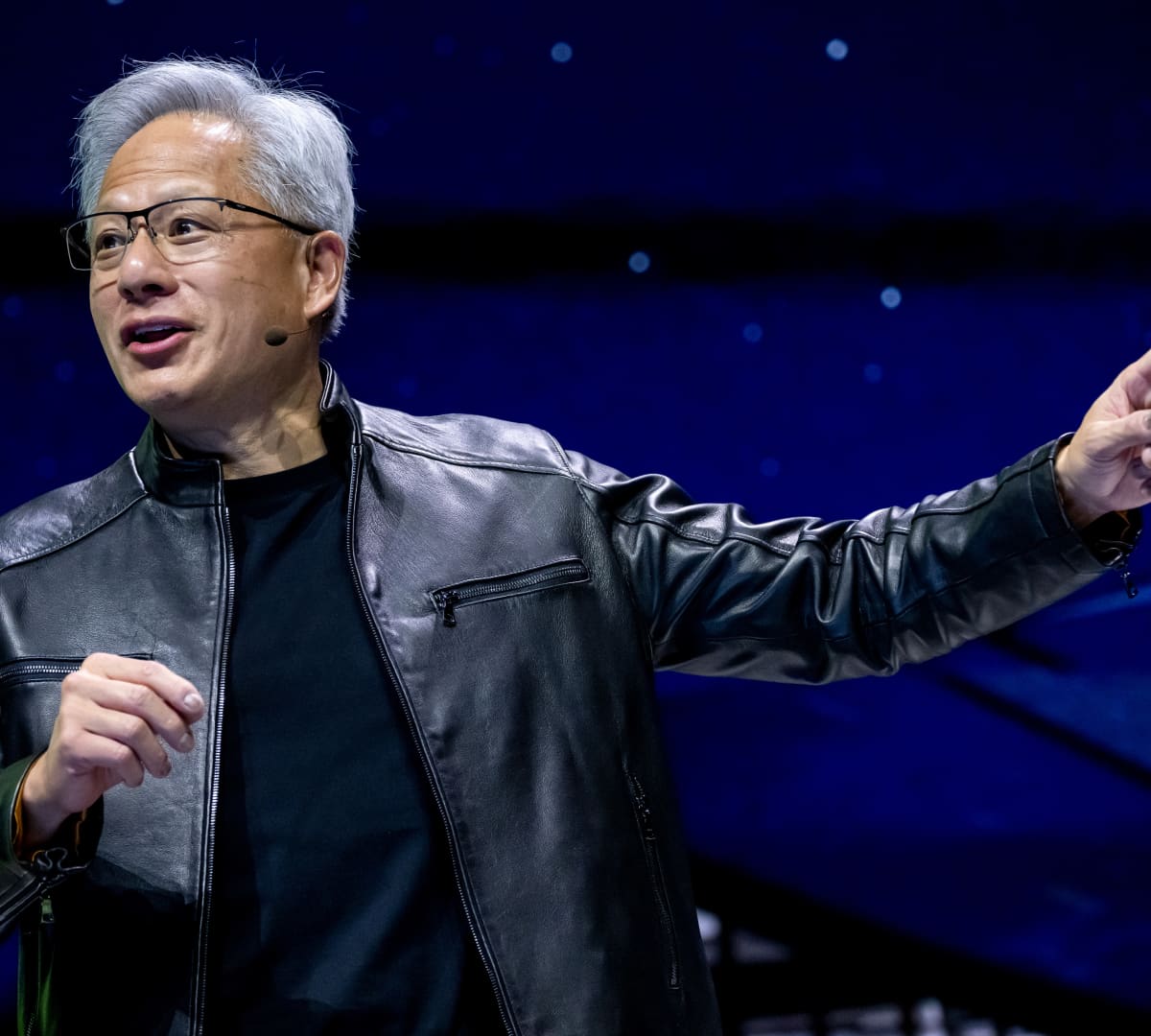
A petition with more than 160,000 signatures is a striking display of support for Jensen Huang, the Nvidia co-founder who resigned as president, CEO and board member last week following reports of extramarital affairs. Numbers like that can make a boardroom feel obligated to respond. They should not decide the question.
The campaign has drawn backing from Elon Musk, Tim Sweeney and Garry Tan, though the petition's website notes that affiliations are self-reported and not verified. The petition also includes people identifying themselves as current and former Nvidia employees, shareholders and business partners. Those voices matter, and Nvidia's board should weigh them. But a petition is not an investigation, and enthusiasm from supporters does not answer the questions that remain open.
Those questions are serious. Nvidia's board is continuing an independent investigation into the conduct that led to Huang's departure. The report also describes a woman reportedly romantically linked to Huang, Alice Huang, who has been identified as an alleged Chinese spy and who left Megaspeed effective Aug. 30, 2025. U.S. lawmakers are preparing inquiries into national security implications and into the executive's relationship with President Donald Trump and his Cabinet. Until those matters are resolved, a quick return would look like the board ignoring its own process.
Huang's situation is not the same as Sam Altman's. Altman was ousted in a governance dispute and returned days later. Huang's departure is tied to a pending investigation, and as Anthony Scaramucci put it, the FBI doesn't take petitions. Nvidia's board should run a fair search, including internal and external candidates, and make its decision on the findings.
Interim CEO Colette Kress has the harder job right now: keeping investors confident and the company steady ahead of its fiscal third-quarter earnings report. The board should let her do that, finish the investigation, and treat the petition as one input among many.