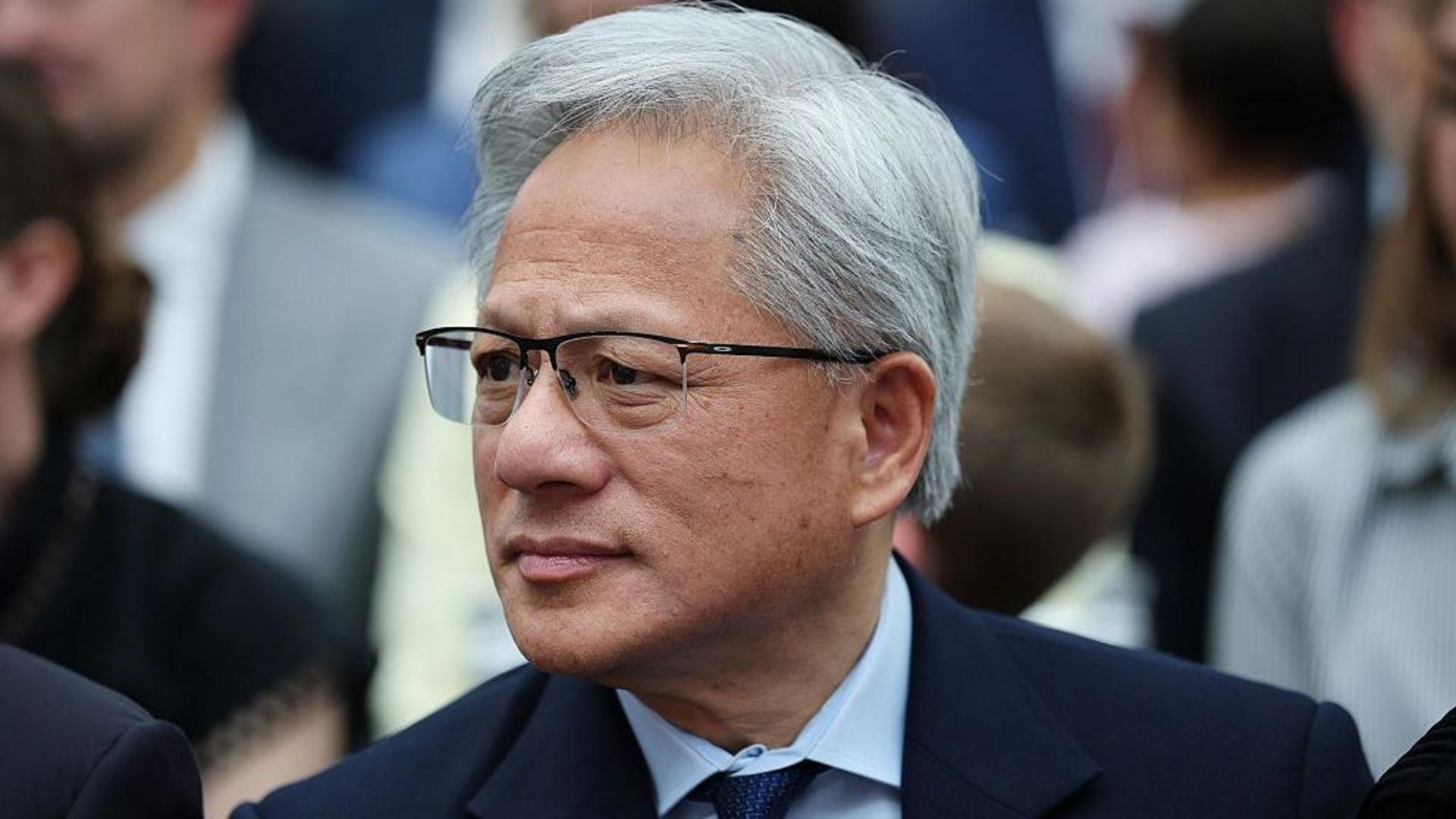
Nvidia shares fell almost 8% on Tuesday after US politicians questioned President Donald Trump's role in the reinstatement of chief executive Jensen Huang, according to the BBC Business report.
Huang was reappointed as CEO on Monday, less than two weeks after he resigned following revelations of extramarital affairs, one of which involved a suspected Chinese spy, the report says. Trump told CNBC that he spoke with the company's directors and convinced them to bring Huang back. He said the directors "did ask for assurance on the national security threat," and that "we gave them assurances at least with everything we know."
The report says Nvidia's board chairman, Harvey Jones, said Huang's return was in the "best interests of our stockholders, employees, partners and customers." The board said it had received input from senior levels of the US government and was confident the reinstatement posed no national security risk.
Republican representative Don Bacon said Nvidia should have "ignored the Administration's inexplicable desire to save Huang." Republican senator Pete Ricketts said Huang's behaviour "doesn't absolve Nvidia of answering for national security concerns and unaccounted-for chips." Democratic representative Robert Garcia, the incoming chairman of the House oversight committee, said Trump's "direct involvement" "raises serious national security and corruption questions." Democratic senator Ruben Gallego said Congress needed to "investigate what stock positions took place before the announcement."
Huang is scheduled to appear before Congress next week. The report says he will be questioned about his relationship with Alice Huang, who is alleged to be a spy for China. Alice Huang is no relation to Jensen Huang. The US Commerce Department said it was preparing to blacklist Megaspeed, the Singapore-based Nvidia customer where Alice Huang was chief executive. China has denied the spying allegations.
The report says Nvidia's share price was still well above Friday's close, before Huang's return was revealed. AMD fell more than 10% on Tuesday, and Broadcom and Marvell Technology also declined. The report links the sector's weakness to investor concerns about possible regulation by newly elected Democrats and whether heavy AI spending will pay off. Nvidia's shares are down almost 30% over the past six months.