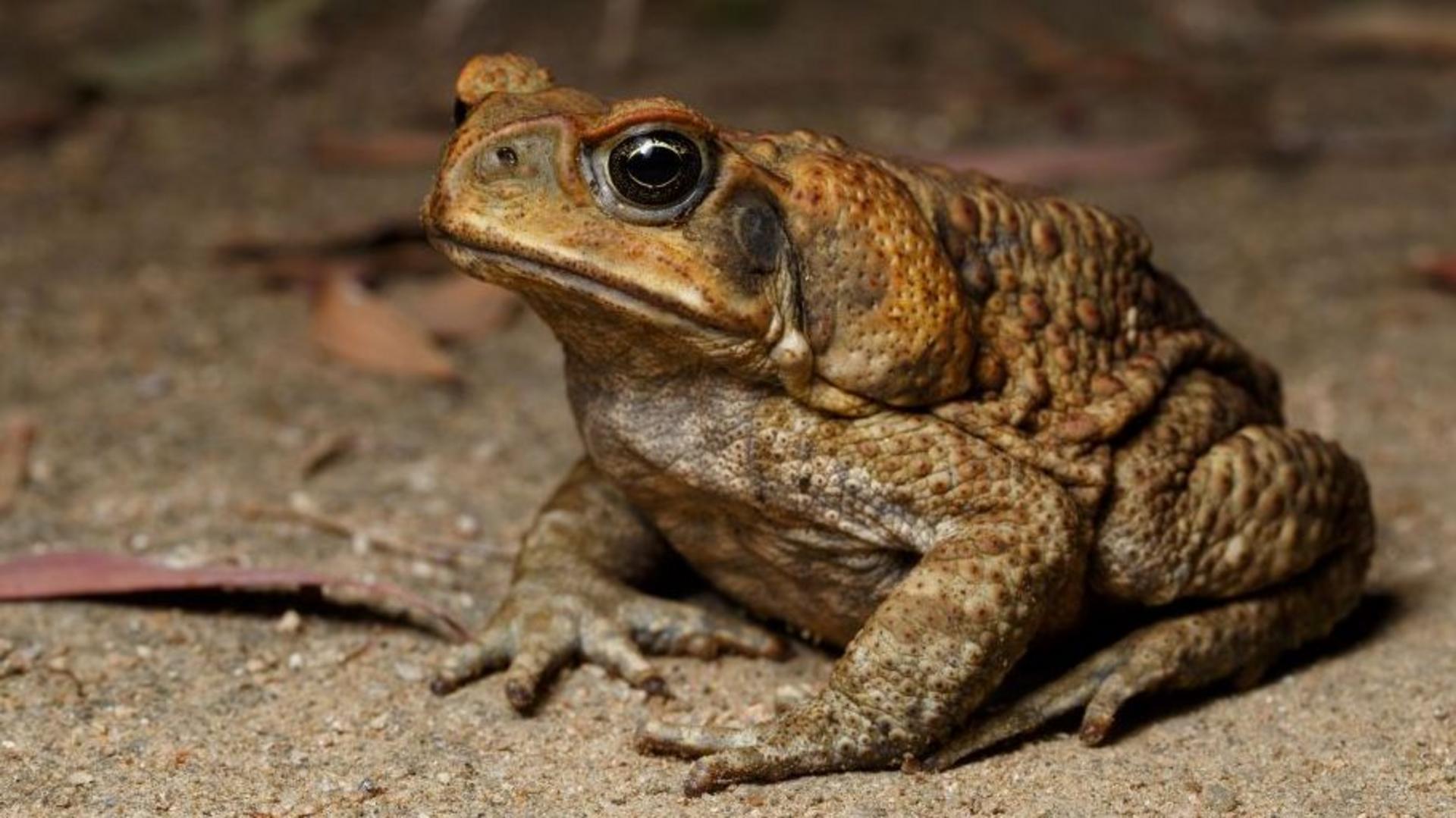
Rio Tinto will spend A$28 million (£14.5 million) with Curtin University in Perth and others to build a "toad containment zone" that would keep cane toads from reaching the Pilbara region of Western Australia, according to the BBC.
The barrier would cover 7,500 square kilometres of land between the Great Sandy Desert and the Indian Ocean. The plan aims to cut off the toads' water supply by blocking access to dams, storage tanks and other ground-level water sources. The five-year project will begin in 2027.
Roberta Hunter, a ranger in the Nyangumarta Warrarn Indigenous Protected Area, said: "Cane toads destroy the water and animals." She added: "When toads come close to our country, we want to be there to stop them because we don't want the country to be destroyed."
The source says the toads threaten native species in the Pilbara, including the northern quoll, whose numbers have been decreasing, the goanna lizard and the ghost bat. It also says the toads produce toxins that are lethal to native wildlife.
Ben Phillips, a professor at Curtin University, said the toads would reach the Pilbara within two decades without action. He said: "The toad containment zone is a once in a lifetime opportunity to stop one of the world's worst invasive species in its tracks and protect the region's unique wildlife."
The source notes that the toads were introduced to Australia in 1935 to control beetles in the sugar cane industry. It says they have spread west at 40 to 60 kilometres a year, according to the Australian government, and have no natural predators or diseases controlling them.
The source states that the cane toad is not a direct threat to Rio Tinto's business. It also notes that Rio Tinto previously faced criticism for destroying two sacred Aboriginal rock shelters in the Pilbara, a decision that cost the former chief executive his job.