Oil prices were little changed in Asian trade on Monday, with Brent crude futures up 10 cents, or 0.11%, to $92.67 a barrel by 0423 GMT. US West Texas Intermediate futures gained 16 cents, or 0.19%, to $83.57 a barrel, according to Reuters. Earlier in the session, Brent fell $1 to $91.57 a barrel, and WTI hit a session low of $82.63.
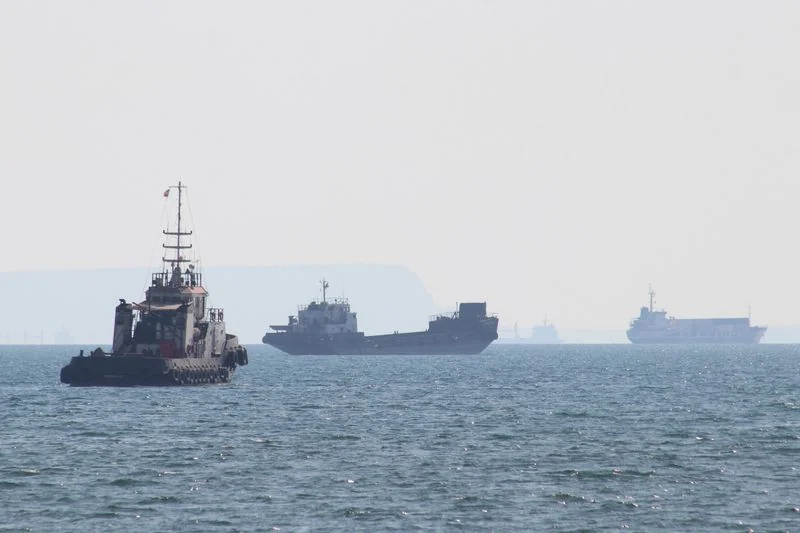
Investors are pricing in a risk premium from continuing shipping and refinery attacks in the Middle East, even as diplomatic efforts to end the war continue, Reuters reported.
On Sunday, the Iran-aligned Houthi movement claimed it attacked a Saudi Arabian oil refinery. The UK Maritime Trade Operations reported multiple attacks on shipping in the Gulf and near the Strait of Hormuz over the weekend. Bahrain said an Iranian attack hit a civilian industrial facility on Saturday. Iran's Revolutionary Guards said they had launched a missile-and-drone assault on US military positions in Bahrain.
Vandana Hari, founder of Vanda Insights, said: "A tense US-Iran stalemate increasingly looks like the base case through year-end, but Trump can still flip-flop over the prospect of renewed military action." She added that the back-and-forth of threats and rhetoric will likely keep the geopolitical risk premium in crude and keep prices broadly rangebound unless either side takes more concrete steps toward escalation.
Separately, talks at the COP31 climate conference in Turkey collapsed on Sunday, the first such collapse since 2009. Nations could not agree on including a statement on phasing out fossil fuels in the final text. Observers at the conference said Saudi Arabia and other large oil producers lobbied to keep any mention of fossil fuels out of the text. OPEC had earlier defended fossil fuel use at the conference.
OPEC+ ministers will hold a series of meetings on November 29 to decide their 2027 output policy.