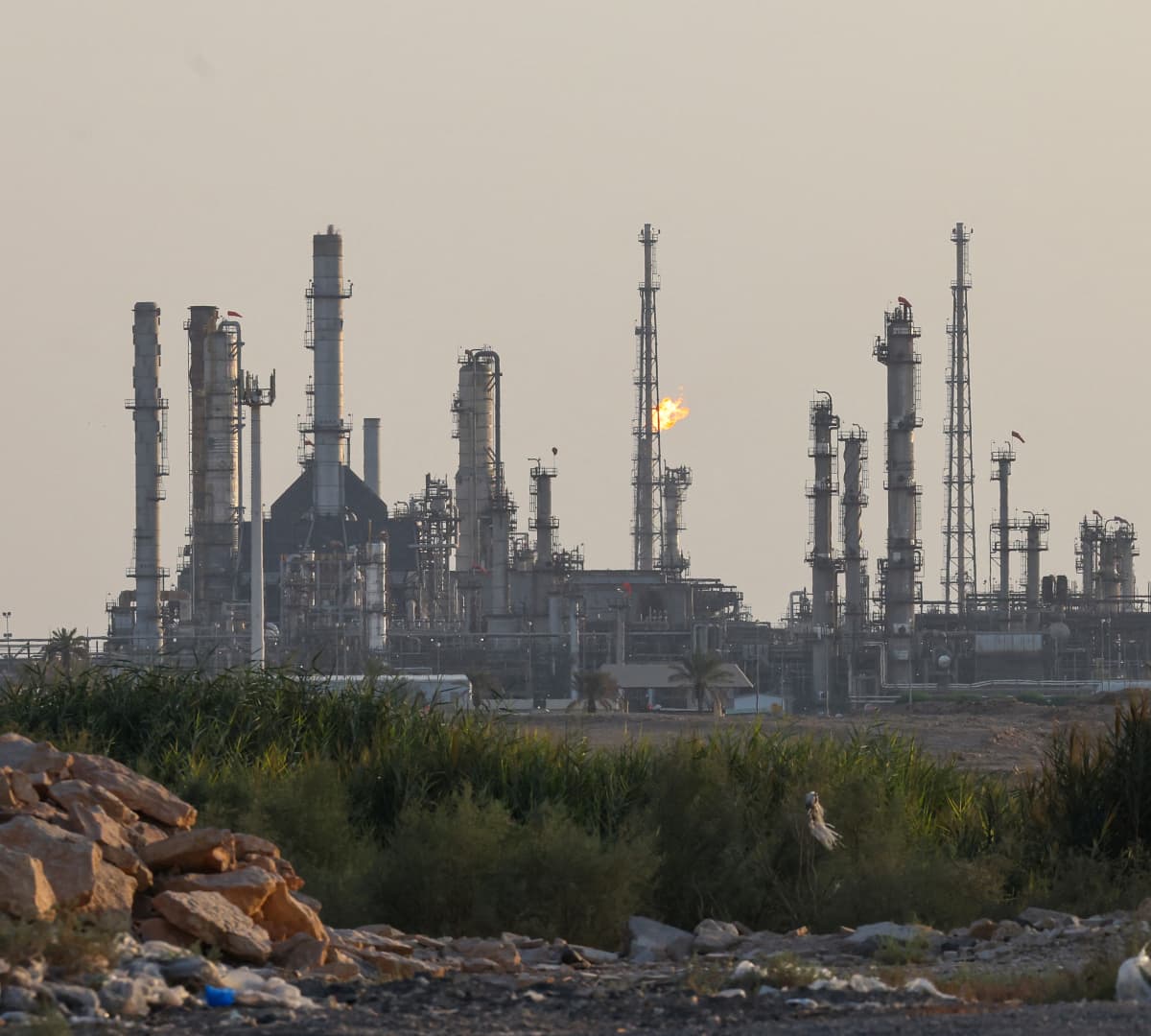
Yemen's Houthis, backed by Iran, said Sunday that they had targeted the Rabigh oil refinery in Saudi Arabia, and the Saudi-led coalition said it had intercepted and destroyed a drone aimed at the kingdom's western region. The Houthis claim they directly hit the infrastructure, but the extent of the damage remains unclear. That uncertainty is itself a problem. Rabigh hosts Petro Rabigh, a major refining and petrochemical complex developed by Saudi Aramco and Japan's Sumitomo Chemical, and markets deserve clear information about whether critical capacity was affected.
The wider picture is worse. Gulf countries reported multiple attacks by Iran-linked forces over the weekend, and Bahrain authorities said an Iranian attack on a civilian industrial facility injured two people on Saturday. The UK Maritime Trade Operations reported another incident in the Gulf of Oman on Sunday, after two tankers were struck by unknown projectiles the day before. Since the war between the U.S., Israel and Iran began in late February, energy flows through the Strait of Hormuz have been disrupted, a waterway that once carried a fifth of the world's crude shipments.
Diplomacy is not absent, but it is being undermined by rhetoric on both sides. Iran's Deputy Foreign Minister Kazem Gharibabadi said after a two-hour meeting with Qatari mediators that Tehran is holding discussions to see whether another opportunity can be given to diplomacy. President Donald Trump, meanwhile, dismissed Iranian proposals, told Fox News that he was inclined to order military strikes next year if no agreement was finalized, and described Iranian officials as "professional tap dancers." Threatening a fresh round of strikes while negotiators are still talking through Qatar does not look like a path to a deal. It looks like a way to keep the pressure on everyone except the people who pay for it.
Those people are ordinary consumers and businesses. Brent futures were trading at $92.35 a barrel and WTI at $83.25 in early Asian trading, and both benchmarks remain elevated by the disruption. Every attack on a refinery, port or tanker adds a risk premium that eventually reaches fuel and commodity prices far from the Gulf. Washington and Tehran should understand that a war fought over energy infrastructure is a war fought with other people's money.
What should happen next is not complicated, even if it is hard. Both governments should stop treating the shipping lanes and refineries of the Gulf as bargaining chips. Mediation through Qatar should be given room to work without public ultimatums. Saudi Arabia and its partners should release clearer assessments of the damage at Rabigh, and maritime authorities should keep reporting incidents with as much detail as they can. A negotiated end to the fighting is the only outcome that protects the region and the markets that depend on it.